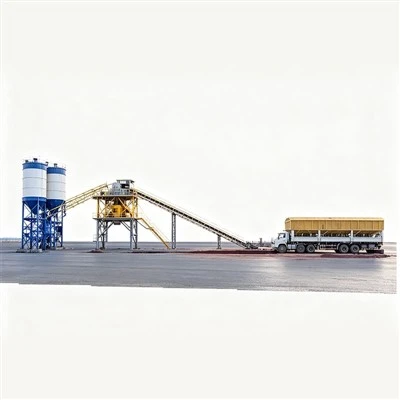
If you’re a contractor, construction manager, or small-scale developer weighing whether to invest in an on-site ready concrete mixing plant, one of the most critical questions you need to answer before breaking ground is: Do I need a permit to install one? The short answer is, it depends—but navigating the rules avoids costly delays, fines, or even having to remove your plant entirely mid-project. As a ready mixed concrete mixing plant supplier with years of experience helping clients across North America and Europe, I’ve seen firsthand how missteps with permitting can derail even the best-laid construction plans. Today, I’m breaking down the key factors that determine whether you need a permit, how to navigate local regulations, and why aligning your plant choice with your project scope can simplify the entire process.
First, let’s ground this in what a ready concrete mixing plant actually is, and why different types might trigger different permit requirements. Not all plants are created equal, and local governments often tailor rules based on size, output, mobility, and operational impact. For example, a compact, temporary plant used for a single residential driveway project is very different from a large, fixed plant supplying concrete for a 10-story commercial building. Let’s run through the main plant types and their associated considerations here.


If you’re working on small to medium projects that require flexible, on-site mixing without the need for a fixed installation, a volumetric batching plant is a popular choice. Mounted on a truck chassis, these plants can be moved from site to site in hours, mix concrete in any quantity from 1 yard to full truckloads, and don’t require a permanent foundation. Many local municipalities classify volumetric plants as temporary mobile equipment, which often means they don’t need a full construction permit—but some still require a temporary use permit, especially if the site is near residential areas or public roads. To learn more about how these mobile plants fit into permitting rules, check out our resource on the Volumetric Batching Plant.
On the opposite end of the spectrum are fully automatic concrete batching plants, which are fixed, high-output facilities designed for large-scale projects like highway extensions, apartment complexes, or industrial parks. These plants are permanent or semi-permanent, require concrete foundations, and operate with heavy machinery and consistent, high-volume mixing. Because of their size and potential impact on traffic, noise levels, and local waste management, fixed fully automatic plants almost always require multiple layers of permitting. This includes building permits for the foundation, environmental permits to ensure dust and runoff meet local air and water quality standards, and even zoning permits to confirm the plant is allowed in the area’s land use designation.
Dry batch plants are another common option, especially for projects that require precise material ratios and minimal on-site storage of wet ingredients. Unlike wet batch plants that store mixed concrete, dry batch plants combine cement, aggregate, and water at the site right before use. Their smaller footprint compared to fully automatic fixed plants means some regions classify them as semi-temporary, but many still require permits if they operate for more than a certain number of days on a single site. For developers balancing output needs with local rules, our Dry Batch Plant guide outlines how these plants fit into different regulatory frameworks.
If your project is focused on precast concrete elements—like wall panels, beams, or foundation blocks used in modular construction—a precast concrete batch plant is the right fit. These plants are purpose-built to mix concrete in controlled settings, then cure finished precast components off-site before transporting them to the construction site. Precast plants often have stricter environmental standards because they handle cured concrete runoff and solid waste, so most municipalities require environmental permits in addition to standard building permits for the plant’s structure. Our team has worked with dozens of precast contractors to streamline the permitting process for these facilities, and you can learn more about their design and compliance needs via the Precast Concrete Batch Plant page.
For the largest, most high-volume operations, tower batching plants are the gold standard. These vertical, tall structures are built for continuous, high-output concrete production, often supplying multiple projects across a regional network. Because of their height, heavy weight, and significant operational footprint, tower batching plants require the most extensive permitting of all plant types. This includes structural engineering reviews, noise impact studies, traffic management plans for material deliveries, and even public hearings if the plant will operate near residential neighborhoods. If you’re planning a tower plant, it’s critical to start the permitting process 3 to 6 months before you plan to install—delays here can push your entire project timeline back significantly.
Now that you understand how plant type affects permitting, let’s break down the core factors that all local governments use to decide whether a permit is required, regardless of the plant model. The first is zoning. Most cities and counties split land into residential, commercial, industrial, and agricultural zones. A ready concrete mixing plant is almost never allowed in residential zones without a special use permit (SUP), which requires a public application, sometimes a neighborhood meeting, and proof that the plant won’t negatively impact nearby residents. For example, a small volumetric plant on a residential driveway might be allowed if it’s only used for a weekend project, but a fixed dry batch plant near a housing development will almost always need a SUP.
Next is operational duration. Temporary plants used for less than 30 days on a single site—like a volumetric plant for a small road repair project—often fall under temporary use rules, which require a simpler permit, sometimes just a short-term construction or noise permit. Plants that operate for longer than 90 days, or are permanent, will need full zoning, building, and environmental permits. I’ve seen contractors skip this step and try to operate a dry batch plant for 60 days without a permit, only to get a $10,000 fine and a stop-work order that cost them their entire client project. That’s why checking local time limits upfront is non-negotiable.
Environmental impact is another big factor. Concrete mixing creates dust from aggregate, runoff from concrete curing, and noise from heavy machinery. Many areas have strict rules for these emissions, especially in regions with air quality regulations (like California or parts of the Northeast U.S.) or water-sensitive areas. For example, if your plant is near a river or lake, you’ll need a stormwater permit to ensure runoff from your site doesn’t carry cement or other chemicals into the water. Fixed plants, especially precast or tower plants, also need dust control plans—often including water sprinkler systems or enclosed aggregate storage—to meet EPA standards. As a supplier, we design all our plants with these regulations in mind, but it’s still up to you to confirm they align with local rules.
Site access and traffic are often overlooked, but they can trigger permit requirements too. Ready concrete mixing plants require regular deliveries of aggregate, cement, and other materials, which means heavy trucks coming and going from your site. If your site is on a narrow residential street, you’ll likely need a traffic management permit to avoid blocking roads or endangering pedestrians. Some areas also require a permit to install temporary access roads for the plant, especially if you’re working on a rural site that connects to a public highway.
So, what steps should you take to get the permitting right? First, do your homework early. Contact your local building department, planning and zoning office, and environmental agency as soon as you decide on a plant. Ask them specifically: Do I need a permit for a [your plant type] installed at [your site location] for [your project duration]? Most offices have staff who can walk you through the basic requirements, or they’ll direct you to the relevant application forms. Some areas even have online portals to check zoning allowances or apply for permits, which can speed up the process.
Second, consider working with a local consultant or contractor who knows the area’s rules. If you’re new to a region, navigating red tape can be confusing. A local expert can help you prepare the required documentation—like site plans, noise impact studies, or dust control plans— and represent you during public meetings if needed. This small investment can save you months of delays and thousands of dollars in fines.
Third, choose the right plant type for your project to minimize permitting hassle. For small, short-term projects, a volumetric plant or compact dry batch plant is often the easiest to permit. For large, long-term projects, a fully automatic or tower plant is more efficient, but you’ll need to budget for the longer permitting timeline. As your supplier, we can help you select a plant that aligns with your project size and local rules, so you don’t overcomplicate the process. For example, if you’re working on a 6-month highway project in an industrial zone, a fully automatic plant will have the output you need, and our team can provide documentation to support your permit application.
I’ve seen too many clients rush into installing a plant only to face costly setbacks. Last year, a small developer in Ohio tried to set up a dry batch plant for a 12-unit housing project without checking zoning rules for their residential site. They got a stop-work order 2 days after installing the plant, had to rent a temporary storage space for materials, and pay a $5,000 fine—all because they skipped the basic step of contacting their planning office. On the flip side, a contractor in Texas I worked with last quarter planned ahead for a large commercial project, applied for all permits 4 months before installation, and had their plant up and running on time for their project start date. The difference was simply taking the time to understand local rules first.
If you’re still unsure about whether a permit is required for your specific project, don’t guess—reach out to us. As a ready mixed concrete mixing plant supplier, we have deep experience across different regions and plant types, and we can guide you on permitting best practices, connect you to local resources, and help you select the right plant for your needs. Whether you’re considering a small volumetric plant for a residential project or a full tower plant for a large industrial development, we can support you every step of the way.
When it comes to concrete batching equipment, choosing the right supplier means more than just getting a high-quality machine—it means partnering with someone who understands the regulatory landscape that can make or break your project. Our range of plants is designed to meet both performance standards and local compliance requirements, so you can focus on building, not navigating red tape. Whether you need a flexible volumetric plant for a one-off job, a high-output fully automatic plant for large commercial works, a compact dry batch plant for on-site precision, a precast plant for specialized elements, or a robust tower plant for continuous production, we have solutions tailored to your needs.
Take the guesswork out of your next concrete project. Let’s connect to discuss your requirements, review local permitting considerations, and find the perfect ready concrete mixing plant for your needs. Our team is here to help you start your project on the right foot, no matter the scale.
References:
- National Ready Mixed Concrete Association. (2022). "Permitting Guidelines for On-Site Concrete Batching Plants." NRMCA Construction Best Practices.
- Occupational Safety and Health Administration (OSHA). (2023). "Safety and Compliance for Concrete Mixing Operations." OSHA Small Business Resource Center.
- U.S. Environmental Protection Agency (EPA). (2021). "Air and Water Quality Standards for Concrete Batch Facilities." EPA Regional Office Concrete Sector Guidance.
- International Code Council (ICC). (2022). "Zoning and Land Use Requirements for Concrete Batching Plants." ICC Building Code Series.
- American Concrete Institute (ACI). (2023). "Guide to Concrete Batching Plant Selection and Site Planning." ACI Practice Report 318.